
Beginner's Guide to Adventuring in Banff
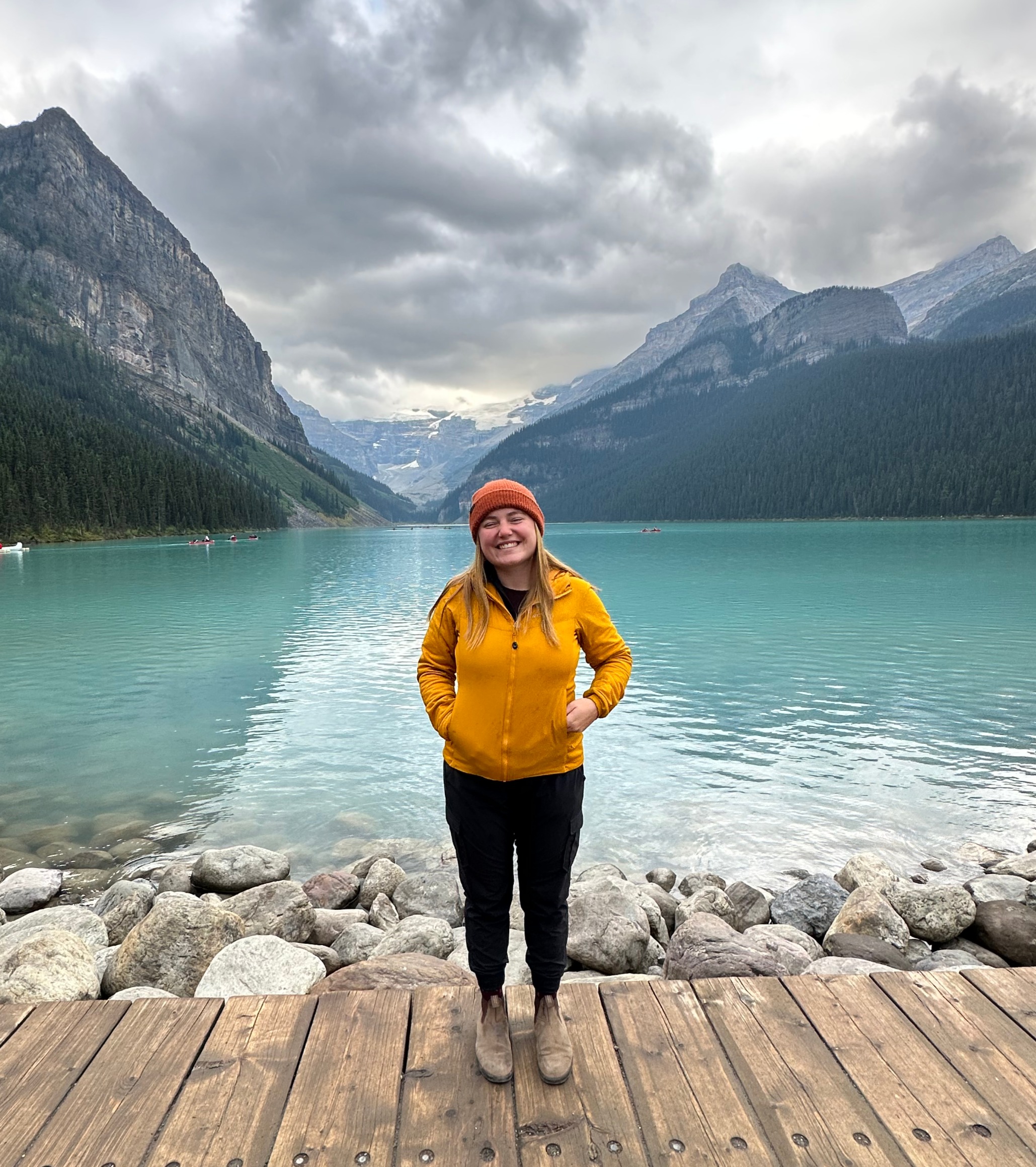

Welcome to our first blog post! We're always asked our advice about all things Banff so we've decided to put it in writing.
This blog is a brief introduction to our responsibilities while hiking and adventuring in Banff National Park. Our park is a protected area and it’s our responsibility to help care for it.
There are a lot of regulations in the park, and here are a few of the rules we think are the most important!
Stay on the Trail
Our trails are well maintained for easy travel and to minimize our impact on the local environment. Banff is full of sensitive vegetation and heading off trail can damage vegetation, lead to erosion or even cause wildlife disturbance. While it might be tempting to cut that corner after so many switch backs, the trail is there for you to follow!
Wildlife Conservation: For example, Johnston Canyon is a critical habitat for black swifts, one of only two places they nest in the park. People venturing off trail to a “hidden viewpoint” in the summer has disturbed the birds and now there is a seasonal trail closure to enforce the rule. Staying on designated trails contributes to the recovery of this endangered species.
Protecting the Environment: Banff is full of fragile vegetation. In the alpine, the harsh environment makes it hard for vegetation to grow. There are small plants called lichen that take up to 25 years to grow 1 inch! All of this effort could be destroyed by human behavior in only a single step. Lichen is an important food source for our alpine friends such as mountain goats and marmots. This is especially important to remember for guests visiting high frequented trails, like Larch Valley.
Staying Safe: Staying on trail is also for your safety. Banff has a lot of cold, rushing water and slippery rocks that could lead to an accident. Additionally, if you head too far off trail, you might get lost without proper navigation!
Leave no Trace
We like to put this simply: pack it in, pack it out. If you are able to carry something with you at the start of your hike, you are capable of finishing with it too. This goes for food, garbage, clothes, speakers, toilet paper, etc!
All of these things can be attractants for wildlife. Additionally, we want to keep our park beautiful by not having litter all over the place. No one wants to hike alongside your granola bar wrapper or used toilet paper!
There are many garbage bins in the park that feature bear locks on them. Most open by putting your hand inside to release a latch and lifting open. They are bear proof, not human proof! Please don’t shove your garbage in the handle.
Littering is a fineable offense in Banff National Park.
Obey all Signs
This one is for your safety and the safety of the park. Parks Canada carefully regulates trails daily and seasonally to regulate fire, wildlife and human risk. It is mandatory to follow trail closures.
Wildlife Safety: Some areas may be closed due to wildlife activity and obeying these closures will keep both you and the wildlife safe. For example, rutting season for elk means that they can become aggressive with people. Where they are most active, trails will be closed to avoid potential run ins. Trust me, being chased by an angry elk is not fun for anyone!
Natural Dangers: Some trails are closed due to trail wash out, rock fall hazards or other natural causes. Other closures are to avoid hidden dangers like cliffs or unstable terrain. Parks Canada closely monitors hazards to keep trail users safe.
Wildlife Use: Some areas close seasonally as wildlife corridors to allow wildlife the ability to move around safely during critical seasons, such as mating season. We share this park with a lot of other living creatures, and this is one of the ways the park tries to reduce our impact on their lives.
Don't Feed the Wildlife
While they might seem friendly or even approach you, it is illegal to feed wildlife in Banff National Park. Wildlife are wild and they do not need human food to survive. By feeding animals, we are teaching them to approach humans as an easy food source. If an animal becomes too comfortable with human interaction, they may be relocated or even euthanized.
Food Storage: It is your responsibility to make sure your food is properly stored. Animals have a great sense of smell and will be attracted to abandoned coolers, lunches and garbage. Make sure you never leave anything unattended.
Wildlife Danger: Everyone understands why not to feed bears, but even the smallest and cutest animals can be dangerous. The #2 cause of animal-related hospital visits in Banff is due to squirrel bites. They are known to approach people for food and say thank you with a bite!
Animal & Plant Relationships: Animals work in a symbiotic relationship with the ecosystem. When we feed animals, this system can be disrupted. Here’s an example: One of our birds, the Clark’s Nutcracker, eats the seeds of a local tree, the Whitebark Pine. They bury caches of seeds underground, and naturally forget where some of them are hidden, resulting in new trees growing. As tourism rises and more birds are being fed, Clark’s Nutcrackers now turn to humans for an easier food source instead. This has resulted in the Whitebark Pines becoming an endangered tree species!
Feeding wildlife in Banff can result in a mandatory court appearance and up to $25,000 in fines.
It is safe and enjoyable to picnic in our park, however just ensure you clean up after yourself and ignore any nearby wildlife.

While there are many other rules we need to follow, we can start by remembering to clean up after ourselves, obey all signs & trails and avoid wildlife interactions. Banff is a special place that needs to be cared for by all if we want to continue to enjoy it in the future.
For a full list of rules & regulations, visit https://parks.canada.ca/pn-np/ab/banff/securite-safety/regles-rules
We love your feedback! What did you think of our first blog post? What would you like to hear about next? Leave a comment below!
Follow us on Instagram @banffalpenglowadventures to see our first reel about this topic.


Thanks so much for sharing! Super informative and easy to read :)
Great information! So important to protect our national parks. Thanks!
This site's super easy to navigate and looks beautiful! The specific examples (ex. Whitebark Pine, Johnston Canyon) really show the effects of people's actions and allow the impacts to be more felt. Loved this first blog post and I look forward to seeing more!!
Looks fantastic it’s so well organized!